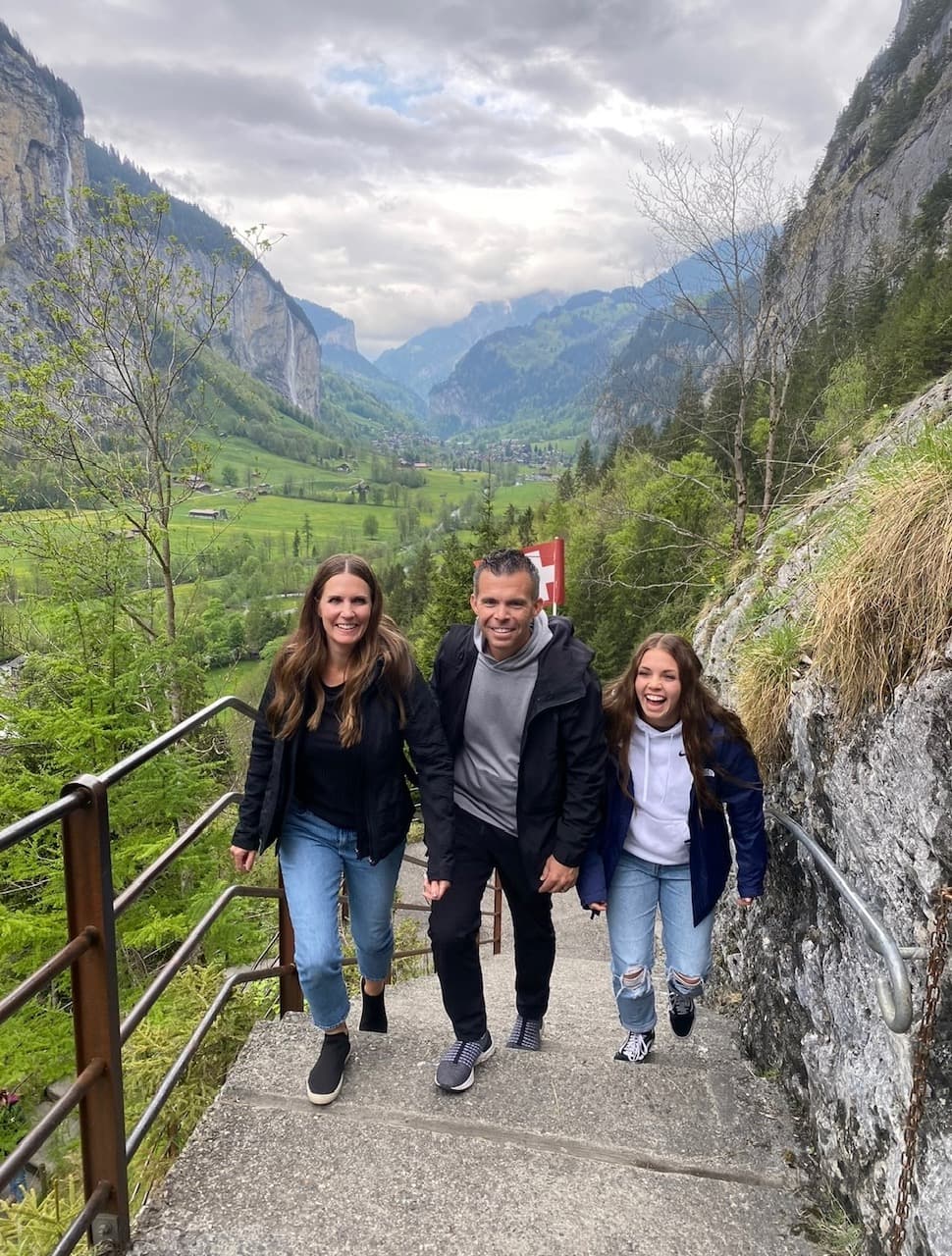
The Modern Garr Family: Keeping History Alive Today
The Garr family legacy is more than a story of pioneers and early settlers; it is a living history that continues to influence descendants and communities today. From their beginnings in Bavaria, Germany, to the rugged landscapes of Antelope Island, Utah, and the farms of Cache Valley, the Garr family has demonstrated resilience, dedication, and a strong commitment to preserving their heritage. Today, the modern Garr family honors this legacy while building on it in ways that connect the past to the present.
Preserving Heritage Through Genealogy
A cornerstone of modern Garr family life is the dedication to genealogical research. Descendants continue to trace their roots meticulously, using documents dating back to Andreas Gaar’s immigration from Bavaria in 1732. With efforts led by family historians and genealogists like Dr. John Wesley Garr, family members have created extensive records that chart decades of migration, settlement, and growth across the United States.
Genealogy serves multiple purposes. For one, it keeps the stories of pioneers like Fielding Garr and Abel Weaver Garr alive for younger generations. It also allows descendants to connect with distant relatives and understand how historical events shaped their family trajectory. Websites, online archives, and family reunion gatherings have become vital tools for sharing this knowledge, fostering a sense of community, and celebrating a shared identity.
Antelope Island and the Garr Ranch Today
The Fielding Garr Ranch on Antelope Island remains a physical touchstone of the family’s history. Operated today as part of Antelope Island State Park, the ranch preserves the stone buildings and historical structures that once housed the church’s tithing herds. Modern visitors can explore the ranch, participate in guided tours, and learn firsthand about the challenges and achievements of the Garr family in the 19th century.
For the Garr descendants, the ranch is more than a tourist attraction; it is a sacred link to their ancestors. By participating in preservation efforts, family members help maintain the site for future generations, ensuring that the pioneering spirit of the family remains visible and accessible.
Community Involvement and Legacy Projects
The modern Garr family also emphasizes community involvement. Many descendants are active in educational initiatives, historical preservation societies, and civic projects in Utah and other areas where the family settled. These efforts often focus on promoting local history, supporting cultural programs, and sharing lessons from the family’s experiences as early settlers.
Additionally, the family organizes reunions, workshops, and storytelling events that connect multiple generations. These gatherings allow younger family members to hear firsthand accounts of the family’s early struggles and achievements, creating continuity and reinforcing a shared identity rooted in resilience and ingenuity.
Balancing Tradition with Modern Life
While preserving history is a priority, the Garr family has also embraced modern life. Descendants are involved in a wide range of professions, from business and education to technology and agriculture. This balance reflects a continuation of the family’s values: hard work, adaptability, and a commitment to contributing meaningfully to society.
In many ways, the modern Garr family embodies the same pioneering spirit that drove ancestors to settle in new and challenging environments. Whether through professional endeavors, volunteer work, or personal projects, the family demonstrates a dedication to leaving a positive impact — a reflection of the legacy built centuries ago.
Education and Storytelling
Another way the Garr family keeps history alive is through educational outreach and storytelling. Family historians often collaborate with local schools, historical societies, and museums to share the family’s journey. Stories of courage, such as Abel Weaver Garr and his brother surviving harsh winters alone on Antelope Island, serve as powerful lessons in perseverance and determination.
By highlighting these experiences, the family not only preserves its own history but also contributes to a broader understanding of American pioneering life. Educational programs often emphasize critical thinking, research skills, and historical analysis, allowing students and community members to engage deeply with the past.
Conclusion: A Living Legacy
The Garr family’s story is far from static; it is a living legacy that continues to grow, evolve, and inspire. From Bavaria to Utah, from the rugged terrains of Antelope Island to modern urban and rural communities, the family has maintained a strong connection to its roots while embracing the opportunities of the present.
Through genealogy, historical preservation, community involvement, and education, the modern Garr family ensures that the lessons of perseverance, dedication, and resilience are not forgotten. They remind us that family history is not just a record of what happened — it is a guide for what is possible, an inspiration to face challenges, and a foundation for building meaningful connections.
For anyone exploring the Garr family story today, the legacy is clear: the values, achievements, and pioneering spirit of the past remain alive, shaping the lives of descendants and enriching the communities around them. The Garr family’s journey continues, demonstrating that history is not only something to remember — it is something to live.